News
HP Ships Windows 7 Slate PC
- By Jeffrey Schwartz
- October 25, 2010
Hewlett-Packard's long-awaited slate PC is now available but with a different target audience than originally planned. The company last week released its HP Slate 500, a Windows-based tablet targeted at business users for vertical applications such as health care, retail point-of-sale and insurance.
The 8.9-inch device weighs 1.5 pounds, has a LED screen, runs Windows 7 and supports both pen- and gesture-based input. It comes with a built-in 3-MB camera, a separate webcam, a USB port and a SD slot. It is priced at $799.
The release of the HP Slate 500 culminates nearly a year of anticipation. Microsoft CEO Steve Ballmer first showcased the device at the annual Consumer Electronics Show in Las Vegas back in January. HP originally intended the Windows-based slate as a consumer device targeted at reading, watching videos and content creation and consumption.
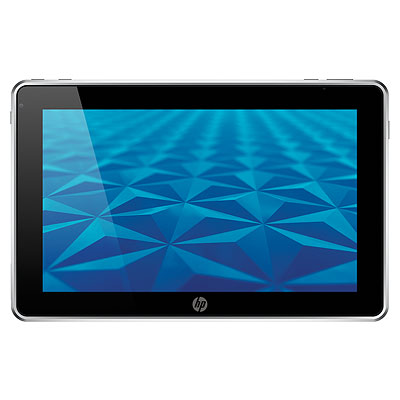
|
| Source: HP |
Shortly after Ballmer introduced the prototype, HP, started releasing videos promoting the new device. The company went dark on its slate plans after announcing it was acquiring Palm Inc., for $1.2 billion and indicating it would release a slate based on Palm's webOS platform. Now the company is targeting its webOS-based slates at consumers and the Windows Slate 500 at business users. HP said it will release the webOS-based slate in the first quarter of next year.
"We decided to target the business market for the Windows product," said Phil McKinney, vice president and chief technology officer of HP's Personal Systems Group, in a blog post. "You can probably imagine a thousand applications of the device in business scenarios. Wouldn't it be great if after a car accident, your insurance agent could take your statement, photograph and video the scene, and send all the information to the claims office on the spot? That's the direction we're heading for our business customers."
HP's new slate is bundled with the 32-bit version of Windows 7 Professional and is based on an Intel Atom Processor Z540 (1.86 GHz, 512 KB L2 cache, 533 MHz FSB). It has 2 GB of RAM built onto the motherboard (non upgradeable), a 64 GB Solid State flash drive, built-in 802.11b/g/n WiFi connectivity and support for Bluetooth devices. Battery life is rated at five hours.
About the Author
Jeffrey Schwartz is editor of Redmond magazine and also covers cloud computing for Virtualization Review's Cloud Report. In addition, he writes the Channeling the Cloud column for Redmond Channel Partner. Follow him on Twitter @JeffreySchwartz.